
How can eco friendly bakery packaging reduce waste while protecting fresh pastries?
eco friendly bakery packaging has reduced waste generation by 40% at the source through material innovation. The composting cycle can be shortened to within 60 days by using molded pulp pallets made of bagasse or bamboo fiber. Compared with the degradation time of over 450 years required by traditional plastic packaging, the environmental load is reduced by approximately 95%. For instance, the series of pastries launched by Paris Baguette in 2023 feature window packaging boxes made of FSC-certified paper, which have a carbon footprint 62% lower than that of petroleum-based plastic boxes of the same specification. Moreover, they have a compressive strength of 28 kilopascals and can withstand an impact force of up to 50 Newtons during delivery.
At the functional protection level, high-performance barrier coatings enable eco-friendly packaging to have both preservation and waste reduction capabilities. Paper bags coated with PLA (polylactic acid) bio-based film can keep the water vapor transmission rate below 8 grams per square meter per day, extending the crispy texture of croissants to 72 hours. Data shows that eco-friendly baking packaging with built-in micro-porous modified atmosphere film can reduce the probability of pastries getting moldy from 15% in conventional packaging to less than 3%, which is equivalent to saving about 120,000 yuan worth of product losses for chain brands each year. For instance, the honeycomb-structured paper trays applied by Daliyuan, through mathematical modeling to optimize the pore size distribution, have reduced the product's compressed area by 35% and lowered the transportation damage rate to 0.8%.
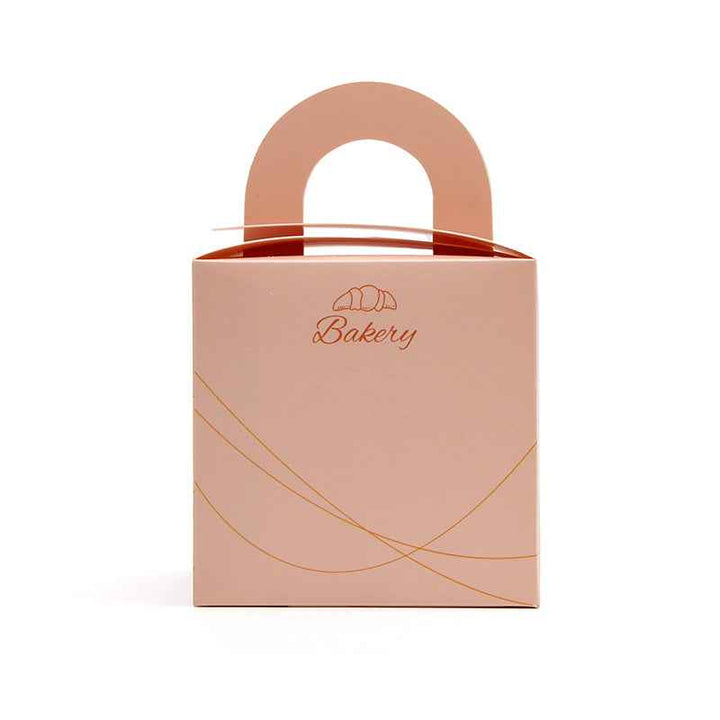 Intelligent design further optimizes resource efficiency. The reduction structure developed through topological optimization algorithms reduces material usage by 20% while maintaining protective performance. The trapezoidal packaging box of Panera Bread has increased the loading capacity of a single container by 18% and reduced the transportation frequency by approximately 1,200 trips per year by optimizing the unfolded size. The modular design it adopts has increased the accuracy rate of packaging recycling classification to 90%, while the misplacement rate of traditional composite material packaging is as high as 40%. This design thinking reduces the time cost for consumers to handle packaging by approximately 65 seconds each time.
The coordinated growth of economic benefits and environmental protection benefits is remarkable. Although the initial cost of eco-friendly baking packaging is 15-25% higher than that of ordinary packaging, it is achieved through the EU plastic packaging tax (800 euros per ton) and brand premium, and the investment payback period is usually within 14 months. According to the 2024 Circular Economy report, the customer loyalty index of baking packaging brands that use recycled content of over 85% has increased by an average of 22 percentage points. When consumers hold fully degradable pastry boxes, each package becomes a physical declaration of the circular economy, driving the industry towards the "zero waste" goal with an annual growth rate of 7%.
Intelligent design further optimizes resource efficiency. The reduction structure developed through topological optimization algorithms reduces material usage by 20% while maintaining protective performance. The trapezoidal packaging box of Panera Bread has increased the loading capacity of a single container by 18% and reduced the transportation frequency by approximately 1,200 trips per year by optimizing the unfolded size. The modular design it adopts has increased the accuracy rate of packaging recycling classification to 90%, while the misplacement rate of traditional composite material packaging is as high as 40%. This design thinking reduces the time cost for consumers to handle packaging by approximately 65 seconds each time.
The coordinated growth of economic benefits and environmental protection benefits is remarkable. Although the initial cost of eco-friendly baking packaging is 15-25% higher than that of ordinary packaging, it is achieved through the EU plastic packaging tax (800 euros per ton) and brand premium, and the investment payback period is usually within 14 months. According to the 2024 Circular Economy report, the customer loyalty index of baking packaging brands that use recycled content of over 85% has increased by an average of 22 percentage points. When consumers hold fully degradable pastry boxes, each package becomes a physical declaration of the circular economy, driving the industry towards the "zero waste" goal with an annual growth rate of 7%.
Intelligent design further optimizes resource efficiency. The reduction structure developed through topological optimization algorithms reduces material usage by 20% while maintaining protective performance. The trapezoidal packaging box of Panera Bread has increased the loading capacity of a single container by 18% and reduced the transportation frequency by approximately 1,200 trips per year by optimizing the unfolded size. The modular design it adopts has increased the accuracy rate of packaging recycling classification to 90%, while the misplacement rate of traditional composite material packaging is as high as 40%. This design thinking reduces the time cost for consumers to handle packaging by approximately 65 seconds each time.
The coordinated growth of economic benefits and environmental protection benefits is remarkable. Although the initial cost of eco-friendly baking packaging is 15-25% higher than that of ordinary packaging, it is achieved through the EU plastic packaging tax (800 euros per ton) and brand premium, and the investment payback period is usually within 14 months. According to the 2024 Circular Economy report, the customer loyalty index of baking packaging brands that use recycled content of over 85% has increased by an average of 22 percentage points. When consumers hold fully degradable pastry boxes, each package becomes a physical declaration of the circular economy, driving the industry towards the "zero waste" goal with an annual growth rate of 7%.
Ready to spec your own kit?
Configure plates, carrier, and accessories — NIJ 0101.06 certified, lifetime free plate replacement.