
what should you consider before buying an electrical panel cooler?
When purchasing the electrical panel cooler, it is necessary to calculate the heat load parameters precisely first. According to the thermodynamic formula Q=ΔT×C×ρ×V, ΔT should be controlled within 10° C. The heat load of typical industrial control cabinets is usually in the range of 500W to 3000W. For instance, the measured heat generation of a control cabinet in a certain automotive production line reaches 1,250 watts. It is necessary to select equipment with a cooling capacity of 1,600 watts and reserve 20% redundancy. Studies show that a matching degree deviation of more than 15% will lead to a 35% reduction in equipment lifespan and a 22% increase in energy consumption.
The selection of cooling technology directly affects operational efficiency. The energy efficiency ratio (EER) of the compressor refrigeration type cooler is usually 3.2-4.5, which can stabilize the temperature inside the cabinet within the range of 35°C±2°C, but its power consumption is relatively high (300-800W). The vortex tube cooling solution does not require electricity, but its gas consumption reaches 15-30SCFM, increasing the operating cost by 40%. Test data from a certain semiconductor factory in 2023 shows that the thermoelectric cooling solution can achieve a temperature drop of 12°C at an ambient temperature of 25°C, with an accuracy controlled within ±0.5°C.
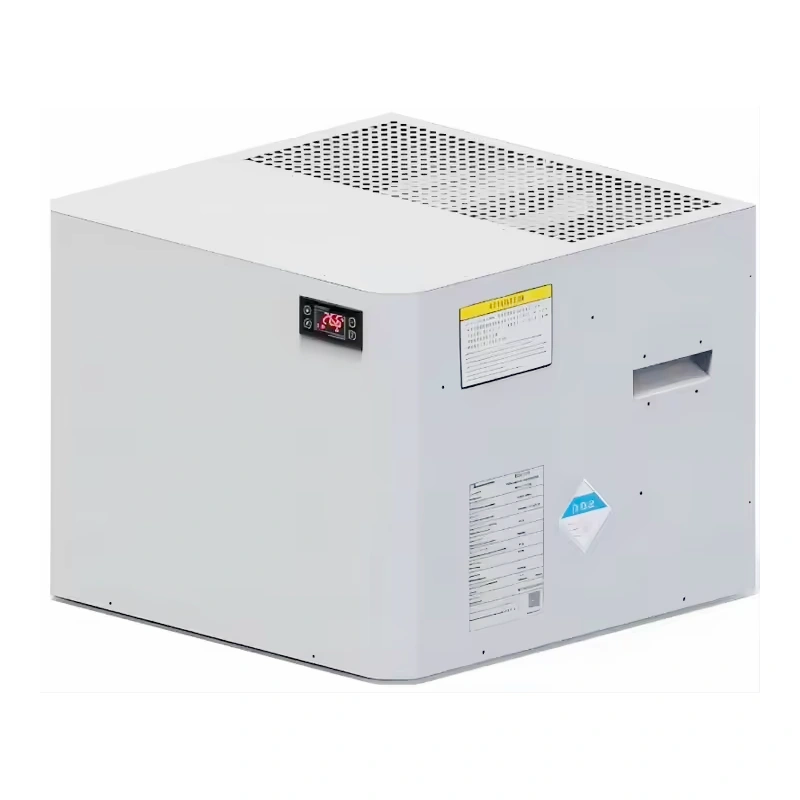 Environmental adaptability assessment is of vital importance. The NEMA 4X protection grade can withstand an environment with 95% humidity, and the IP54 standard can prevent dust with a diameter of ≥1mm from entering. In the application of oil drilling platforms, the cooler needs to withstand a vibration intensity of 2.5g and a working temperature range of -40°C to +75°C. The case shows that the failure rate of coolers that have not passed explosion-proof certification increases by 300% when used in chemical industrial parks. The average mean time between failures of equipment that meets the ATEX Directive 2014/34/EU standard reaches 60,000 hours.
Energy efficiency and total cost of ownership (TCO) analysis shows that although the initial cost of high-efficiency variable-frequency coolers is 30% higher, they can save 45% of electricity bills after five years of operation. The calculation of a certain data center project shows that the cooler with an intelligent temperature control system has reduced the PUE value from 1.8 to 1.4, saving 120,000 kilowatt-hours of electricity annually. The return on investment (ROI) calculation needs to take into account the maintenance cycle: the filter screen should be replaced every 90 days (at a cost of 50 each time), and the refrigerant should be replenished every 3 years (at a cost of 200). After comprehensive calculation, the TCO of high-quality coolers over a 10-year service life is actually 25% lower.
Installation and compatibility parameters must match the existing facilities. The installation depth of the standard 19-inch rack should be ≤400mm, and for air-cooled equipment, a ventilation space of 100mm should be guaranteed at the front and back. The electrical interface should be compatible with 24VDC or 110VAC power supply systems, and the communication protocol should support Modbus TCP/IP or PROFINET. In a certain intelligent manufacturing upgrade project, the integration was delayed by 42 days due to a mismatch in the communication protocol of the cooler, resulting in an additional renovation cost of $15,000.
Environmental adaptability assessment is of vital importance. The NEMA 4X protection grade can withstand an environment with 95% humidity, and the IP54 standard can prevent dust with a diameter of ≥1mm from entering. In the application of oil drilling platforms, the cooler needs to withstand a vibration intensity of 2.5g and a working temperature range of -40°C to +75°C. The case shows that the failure rate of coolers that have not passed explosion-proof certification increases by 300% when used in chemical industrial parks. The average mean time between failures of equipment that meets the ATEX Directive 2014/34/EU standard reaches 60,000 hours.
Energy efficiency and total cost of ownership (TCO) analysis shows that although the initial cost of high-efficiency variable-frequency coolers is 30% higher, they can save 45% of electricity bills after five years of operation. The calculation of a certain data center project shows that the cooler with an intelligent temperature control system has reduced the PUE value from 1.8 to 1.4, saving 120,000 kilowatt-hours of electricity annually. The return on investment (ROI) calculation needs to take into account the maintenance cycle: the filter screen should be replaced every 90 days (at a cost of 50 each time), and the refrigerant should be replenished every 3 years (at a cost of 200). After comprehensive calculation, the TCO of high-quality coolers over a 10-year service life is actually 25% lower.
Installation and compatibility parameters must match the existing facilities. The installation depth of the standard 19-inch rack should be ≤400mm, and for air-cooled equipment, a ventilation space of 100mm should be guaranteed at the front and back. The electrical interface should be compatible with 24VDC or 110VAC power supply systems, and the communication protocol should support Modbus TCP/IP or PROFINET. In a certain intelligent manufacturing upgrade project, the integration was delayed by 42 days due to a mismatch in the communication protocol of the cooler, resulting in an additional renovation cost of $15,000.
Environmental adaptability assessment is of vital importance. The NEMA 4X protection grade can withstand an environment with 95% humidity, and the IP54 standard can prevent dust with a diameter of ≥1mm from entering. In the application of oil drilling platforms, the cooler needs to withstand a vibration intensity of 2.5g and a working temperature range of -40°C to +75°C. The case shows that the failure rate of coolers that have not passed explosion-proof certification increases by 300% when used in chemical industrial parks. The average mean time between failures of equipment that meets the ATEX Directive 2014/34/EU standard reaches 60,000 hours.
Energy efficiency and total cost of ownership (TCO) analysis shows that although the initial cost of high-efficiency variable-frequency coolers is 30% higher, they can save 45% of electricity bills after five years of operation. The calculation of a certain data center project shows that the cooler with an intelligent temperature control system has reduced the PUE value from 1.8 to 1.4, saving 120,000 kilowatt-hours of electricity annually. The return on investment (ROI) calculation needs to take into account the maintenance cycle: the filter screen should be replaced every 90 days (at a cost of 50 each time), and the refrigerant should be replenished every 3 years (at a cost of 200). After comprehensive calculation, the TCO of high-quality coolers over a 10-year service life is actually 25% lower.
Installation and compatibility parameters must match the existing facilities. The installation depth of the standard 19-inch rack should be ≤400mm, and for air-cooled equipment, a ventilation space of 100mm should be guaranteed at the front and back. The electrical interface should be compatible with 24VDC or 110VAC power supply systems, and the communication protocol should support Modbus TCP/IP or PROFINET. In a certain intelligent manufacturing upgrade project, the integration was delayed by 42 days due to a mismatch in the communication protocol of the cooler, resulting in an additional renovation cost of $15,000.
Ready to spec your own kit?
Configure plates, carrier, and accessories — NIJ 0101.06 certified, lifetime free plate replacement.